
- BY admin
- POSTED IN Blog
- WITH 0 COMMENTS
- PERMALINK
- STANDARD POST TYPE
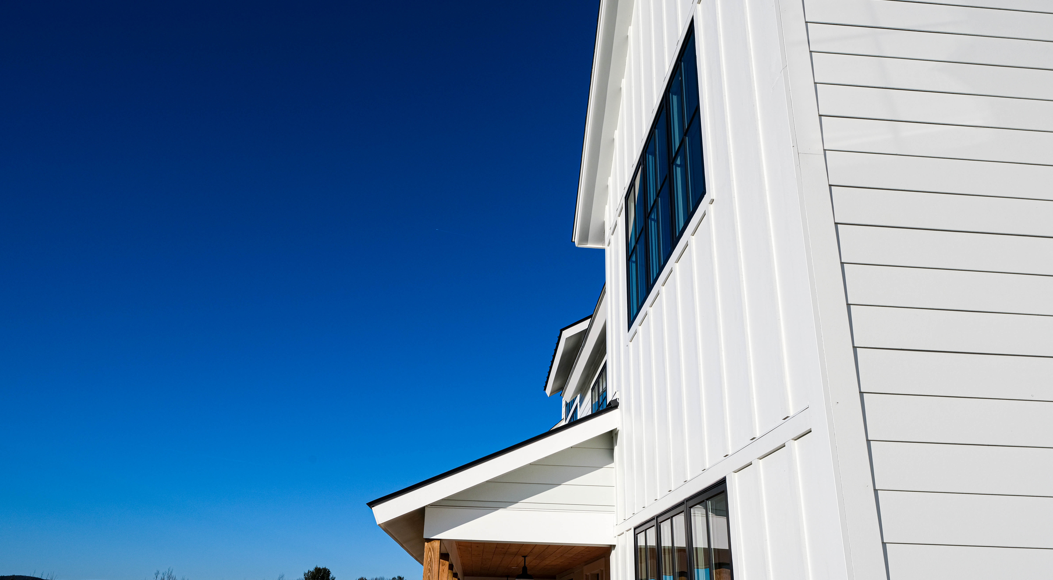
Understanding Different Types of House Siding: Pros, Cons, and Maintenance Needs
Choosing the right james hardie siding near me Crystal Lake for your home is one of the most important decisions in any exterior renovation or construction project. Different siding materials offer varying levels of durability, cost, maintenance requirements, and aesthetic appeal. Understanding the main options available can help homeowners make informed decisions that align with their budget and long-term goals.
Vinyl Siding
Vinyl siding is one of the most popular choices due to its affordability and low maintenance. It does not require painting and is available in a wide range of colors and textures. Vinyl is resistant to moisture and insects, making it suitable for many climates. However, it can be vulnerable to cracking in extreme temperatures and may fade over time with prolonged sun exposure.
Fiber Cement Siding
Fiber cement is known for its durability and premium appearance. It can mimic the look of wood while offering excellent resistance to fire, pests, and harsh weather conditions. It typically lasts longer than vinyl but comes with higher installation costs and may require periodic repainting to maintain its appearance.
Wood Siding
Wood siding provides a natural and classic aesthetic that many homeowners find appealing. It can be painted or stained in various finishes. However, it requires regular maintenance to protect against moisture, insects, and rot. Without proper care, wood siding can deteriorate relatively quickly compared to other materials.
Metal Siding (Aluminum or Steel)
Metal siding is durable and resistant to fire, pests, and rot. It is often used in modern or industrial-style homes. While it requires minimal maintenance, it can dent from impact and may be prone to corrosion if not properly treated.
Engineered Wood Siding
Engineered wood offers the appearance of natural wood but is treated for improved durability and resistance to moisture and insects. It is generally more affordable than fiber cement while providing better performance than traditional wood. Maintenance requirements are moderate, typically involving occasional repainting or sealing.
When choosing siding, homeowners should consider not only initial cost but also long-term maintenance, climate conditions, and energy efficiency. Each material has its strengths and trade-offs, and the best choice often depends on individual priorities.
A professional consultation can help evaluate which siding type is best suited for your home’s structure and environment. Investing time in selecting the right material ensures long-lasting protection, improved curb appeal, and better overall value for your property.