
- BY admin
- POSTED IN Blog
- WITH 0 COMMENTS
- PERMALINK
- STANDARD POST TYPE
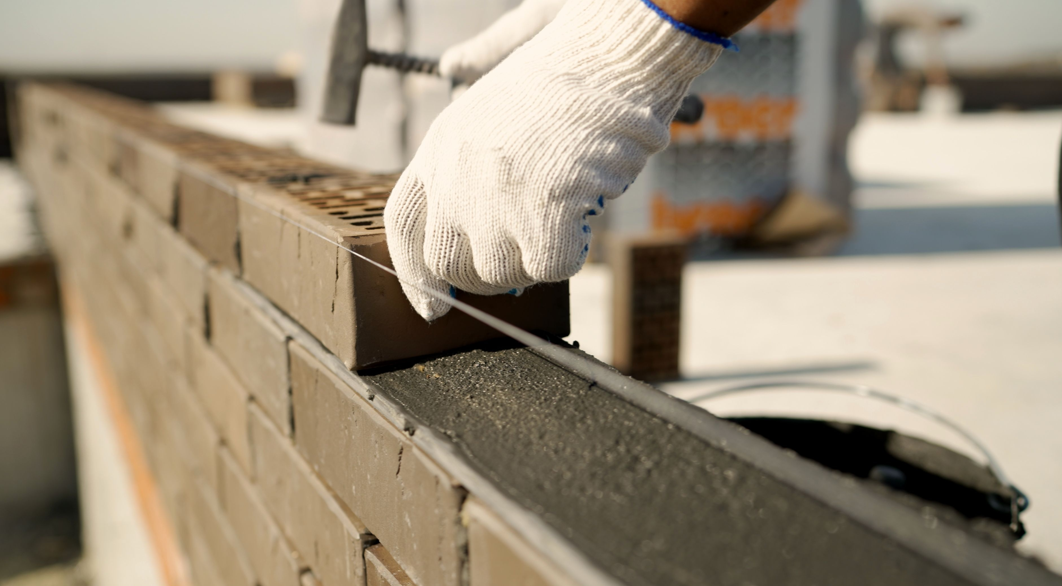
Preventing Water Damage: Masonry Maintenance Tips Every Property Owner Should Know
Water is one of the most destructive forces affecting masonry structures. While brick, stone, and concrete are known for their durability, prolonged exposure to moisture can gradually weaken materials, damage mortar joints, and create costly structural problems. Fortunately, proactive maintenance can significantly reduce the risk of water-related masonry damage with help of tuckpointing chicago.
One of the most important steps in preventing water damage is conducting regular inspections. Many masonry problems begin as small cracks or deteriorating mortar joints that are easy to overlook. By inspecting brickwork, stone surfaces, chimneys, retaining walls, and foundations at least once or twice a year, property owners can identify issues before they become major repairs.
Mortar joints deserve particular attention. Mortar naturally wears down over time due to exposure to rain, snow, and temperature fluctuations. When gaps or cracks develop, water gains easy access to the interior of the masonry system. Professional tuckpointing can restore deteriorated joints and create a strong barrier against moisture intrusion.
Proper drainage is another critical factor. Water should always be directed away from masonry structures. Clogged gutters and downspouts can cause rainwater to overflow onto walls, foundations, and chimneys. Regular gutter cleaning helps ensure that water is safely carried away from the building.
Downspout extensions can provide additional protection by moving water farther from the foundation. Poor drainage around a home’s perimeter often contributes to foundation moisture issues and basement leaks.
Homeowners should also monitor for signs of efflorescence. This white, powdery residue appears when water moves through masonry and leaves mineral deposits behind. While efflorescence itself is not usually harmful, it often indicates excessive moisture exposure that should be addressed.
Waterproofing treatments can offer an additional layer of protection. Professional-grade breathable sealants help repel water while allowing trapped moisture to escape. This is important because sealing masonry improperly can actually trap moisture inside the structure, accelerating deterioration.
Chimneys are especially vulnerable to water damage. Their elevated position exposes them to rain, snow, wind, and freezing temperatures throughout the year. Damaged chimney crowns, cracked flashing, and deteriorated mortar joints frequently become entry points for moisture. Routine chimney inspections and maintenance can prevent significant structural damage.
Landscaping can also influence masonry performance. Soil should slope away from the foundation to prevent water accumulation near the building. Overgrown vegetation can trap moisture against walls and create conditions that encourage deterioration.
During winter, freeze-thaw cycles present additional risks. Water that penetrates masonry expands when frozen, placing tremendous pressure on bricks, stone, and mortar. Repeated freeze-thaw cycles often lead to cracking, spalling, and surface damage. Keeping masonry in good condition before winter arrives can help minimize these effects.
Property owners should never ignore warning signs such as cracked bricks, loose mortar, water stains, mold growth, or visible moisture intrusion. These symptoms often indicate underlying issues that can worsen rapidly if left untreated.
Professional masonry contractors play a valuable role in water damage prevention. Their expertise allows them to identify vulnerabilities, recommend repairs, and implement maintenance strategies tailored to the property’s specific needs.
Preventative maintenance is almost always more affordable than extensive restoration. By addressing minor issues early, maintaining proper drainage, and scheduling regular inspections, homeowners can protect their masonry structures from water damage and extend their lifespan for decades. Investing in masonry maintenance today can prevent costly repairs and preserve the beauty, safety, and value of your property for years to come.